- eco-nnect
- Posts
- Climate hits hard in the Climate Denial Era
Climate hits hard in the Climate Denial Era
And the Ashaninka tribe can help restore nature

Gaia Solaris
November 20, 2024
Dear climate understanders,
I haven’t been able to sleep lately, thinking about what the next generations will face—about the children whose futures lie in the hands of politicians tied to the fossil fuel industry, signing contracts that will bind us for decades.
I can’t sleep thinking about the day they grow up and ask, “What did you do once you knew?”
The climate is spiraling out of control, and yet, here we are: a climate denier has been re-elected president of the U.S. Record-breaking heat, relentless hurricanes, and catastrophic floods are our new normal, with each passing season more extreme than the last. The consequences of inaction are mounting, yet our global leaders continue to deny and delay, pushing critical climate policies even further out of reach.
But I remind myself that we must keep pushing, that there is still hope.
I can’t help but think about the time I was talking with Isi, co-founder of eco-nnect, about these intrusive thoughts that many of us share. She was clear: We are living in a time of change, a time of transition. And yes, indeed we are. We hold onto the hope that all this effort will be worth it in the end, when future generations finally see the change we’ve fought so hard to create in the world.
The future may look uncertain, but every step taken in the right direction makes a difference. Keep fighting, because nature needs every effort we can give.
🗞️ In Climate News
🇺🇸 Climate advocacy groups say they’re ready for Trump 2.0
Disheartened, worried, even scared, activists and strategists are nevertheless better prepared this time around and bracing for a long fight.
🌏 COP29 chief exec filmed promoting fossil fuel deals
A senior official at COP29 climate change conference in Azerbaijan appears to have used his role to arrange a meeting to discuss potential fossil fuel deals, the BBC can report.
🌀 The deadly diseases that sweep in after hurricanes
Vibrio vulnificus is a bacteria which can cause the breakdown of skin and soft tissue, sometimes leading to amputations. According to the latest data, 77 cases and 15 deaths have been reported so far in 2024, the most recorded cases in the past decade, though it is not known how many of cases were reported since Helene and Milton.
🌳 More than 1 in 3 tree species are at risk of going extinct, new analysis shows
The decade-long project found that more than one in three tree species are threatened with extinction, underscoring the scale of the crisis facing our planet’s ecosystems.
The report for the International Union for Conservation of Nature’s Red List, which dropped during the two-week UN biodiversity conference in Cali, Colombia, revealed that of the 47,282 tree species assessed, at least 16,425 are at risk of going extinct — more than double the number of all birds, mammals, reptiles and amphibians threatened with extinction combined.
🇵🇰 Pakistan limits outdoor activities, market hours to curb air pollution-related illness
Artificial intelligence (AI) is already capable of identifying tumors from thousands of images, performing precise surgical operations, discovering new antibiotics and proteins, analyzing market trends, and optimizing industrial processes, among numerous other applications. Yet, when it comes to adverse phenomena like floods — the most destructive natural disasters after earthquakes and tsunamis — its technological prowess falls short.
🇨🇲 At least 4 dead and dozens missing after landslide in Cameroon
Torrential rains weakened the soil and lead do the landslide on Tuesday, Cameroon’s Minister of Public Work Emmanuel Nganou Djoumessi said after visiting the site of the disaster, a stretch of a highway linking Dschang in the West Region of Cameroon and the country’s economic capital of Douala.
🇳🇱 Dutch court to rule on Shell appeal against landmark climate order
A Dutch court will decide on Tuesday whether to uphold a landmark climate ruling against Shell, which in 2021 ordered the oil and gas company to sharply reduce greenhouse gas emissions.
The ruling by The Hague district court ordered Shell to cut its absolute carbon emissio
📈 Cool Trends
♾️ eco-story
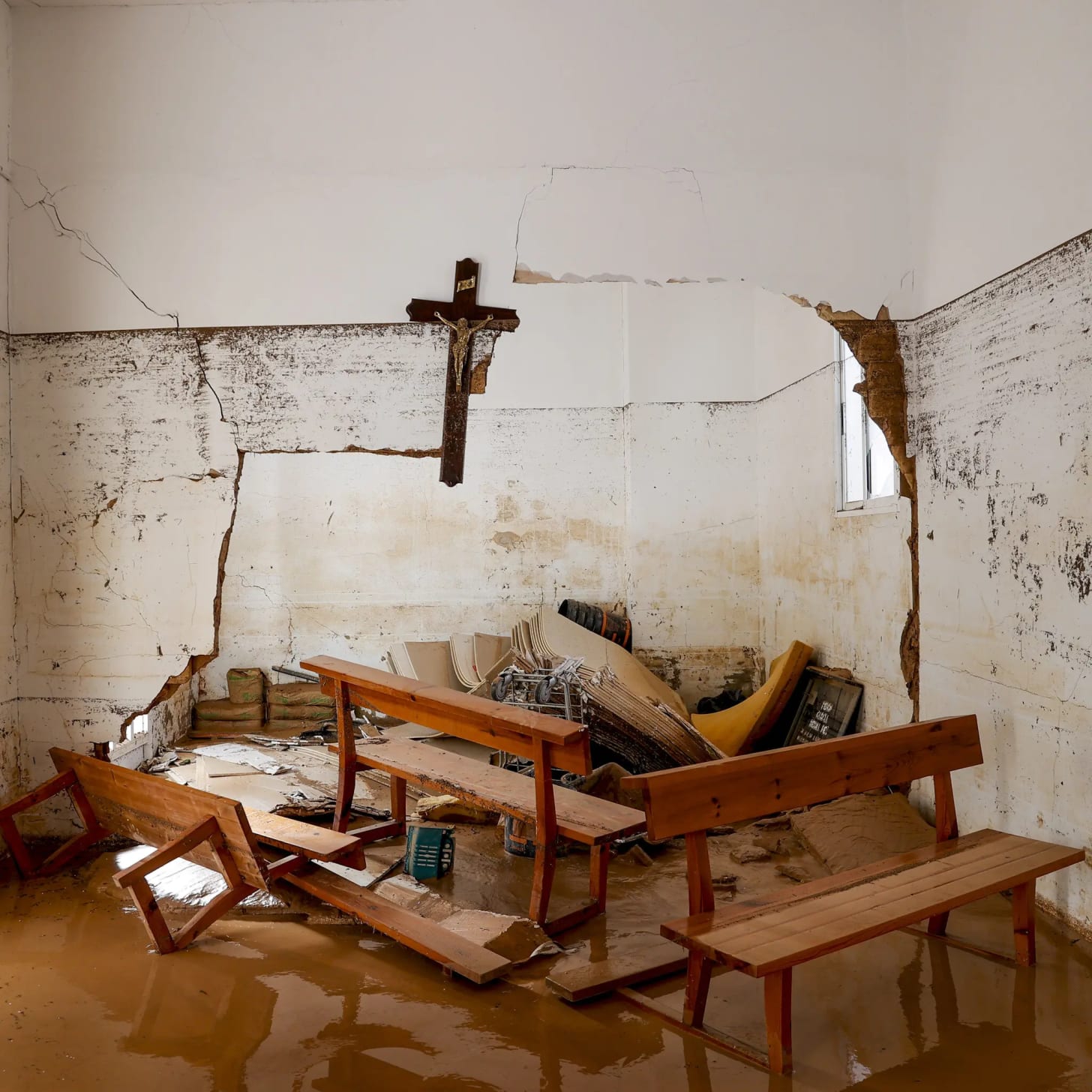
When water mixes with dirt it becomes mud, tons of mud, the kind of mud that, in the wake of flash floods on Oct. 29 and 30, has turned the Spanish region of València into a kind of war zone. (…) But there is more than one kind of mud.
When administrative incompetence mixes with political partisanship, as has happened here, then another kind of mud emerges: populism.
🌏 The Culture Column
📺 What we’re watching: ASHANINKA - SEMEADORES DE FLORESTA
📸 Profile of the week: @yorenka.tasorentsi
📖 What we’re reading: A Mind Spread Out on the Ground, by Alicia Elliott
🤯 Shocking fact we learnt this week: The demand for lithium has risen by 8.9 percent annually