- eco-nnect
- Posts
- 🌊On Indigenous knowledge, insects and sea levels
🌊On Indigenous knowledge, insects and sea levels
While 5% of the population protects 80% of the biodiversity.

Gaia Solaris
May 09, 2025
Dear allies of the living world,
This week, we dive into a word that sounds promising but hides a power struggle. As the G20 launches its first-ever Bioeconomy Initiative, Indigenous peoples across the Amazon are asking a crucial question: whose economy is this really?
The global bioeconomy is projected to reach $38.5 trillion by 2050. But for the more than 400 Indigenous nations living in the Pan-Amazon, it’s not a new idea — it’s a way of life. While governments and corporations are just starting to (apparently) embrace nature-based solutions, these communities have practiced them for generations.
And yet, they remain cut off from the funding, recognition, and decision-making they deserve.
Indigenous peoples make up less than 5% of the global population and protect 80% of Earth’s remaining biodiversity. From reviving ancient agroforestry to building sustainable local economies, Indigenous-led solutions are already here. What’s missing is support. The real bioeconomy isn’t about profit, it’s about protecting life.
Let’s dig into the stories that matter.
🗞️ In Climate News
🇨🇴 Illegal wood from Colombia’s rainforests enters US and EU supply chains
A new report from the Environmental Investigation Agency (EIA) estimates that about 94% of the wood for flooring and decking exported by Colombia between 2020 and 2023 lacked certification; about 20% of that wood went to the U.S., Canada and European Union countries.
🇧🇷 Eucalyptus for Brazil’s steelmaking dries out communities in Minas Gerais
Despite years of complaints by a local NGO, Aperam, the steelmaking company that owns the plantations, continues to hold FSC certification for sustainable forestry. A recent audit, however, has flagged problems in its most recent assessment for certification.
🇿🇦 Over 100 vultures dead after eating poisoned elephant in South Africa
On May 6, a team consisting of the South African National Parks rangers and staff from the Endangered Wildlife Trust found a carcass of an elephant laced with highly toxic pesticides in a remote part of the park.
The critically endangered white-backed vulture (Gyps africanus) was the most impacted, with 112 found dead at the scene. The IUCN, the global wildlife conservation authority, estimates the species has lost 81% of its population in just under 40 years.
🇺🇸 NOAA to stop tracking cost of climate crisis-fueled disasters: ‘Major loss’
The agency said its National Centers for Environmental Information would no longer update its Billion-Dollar Weather and Climate Disasters database beyond 2024, and that its information – going as far back as 1980 – would be archived.
🇲🇿 Mozambique announces petrochemical city on sensitive marine area
The $2 billion petrochemical city project, expected be completed by 2028, will be built by the Hong Kong-based Phoenix International Group, Chapo said at the launch. The project will include thermal power stations, refineries, maritime terminals, units to produce polymers and fertilizers and residential areas with schools and hospitals.
🌏 Global sea levels are rising faster and faster
Since 1993, satellites have kept careful watch over the world’s oceans, allowing scientists a clear view of how they are behaving. What they have revealed is alarming.
Sea level rise was unexpectedly high last year, according to a recent NASA analysis of satellite data.
More concerning, however, is the longer-term trend. The rate of annual sea level rise has more than doubled over the past 30 years, resulting in the global sea level increasing 4 inches since 1993.
🇰🇪 Kenya expert warns of ecological disaster due to insect trafficking
Two Belgian teenagers found with 5,000 ants in Kenya were given a choice of paying a fine of $7,700 or serving 12 months in prison — the minimum penalty for the offense — for violating wildlife conservation laws.
Authorities said the ants were destined for European and Asian markets in an emerging trend of trafficking lesser-known wildlife species.
🇵🇷 Puerto Rico drops climate lawsuit after US DoJ sues states to block threats to big oil
Puerto Rico’s lawsuit, filed in July, alleged that the oil and gas giants had misled the public about the climate dangers associated with their products. It came as part of a wave of litigation filed by dozens of US states, cities and municipalities in recent years.
Donald Trump’s administration has pledged to put an end to these cases, which he has called “frivolous” and claimed are unconstitutional.
🇦🇷 Video: first-ever wild jaguar's release in Argentina
Miní, a wild-born female jaguar, takes an unbelievable journey from the Iberá Wetlands to the Gran Chaco forest to revive a dwindling population of jaguars in Argentina. Conservationists led by the former CEO of Patagonia, Kristine Tompkins, are working to reintroduce South America’s top predator.
📈 Cool Trends
♾️ eco-story
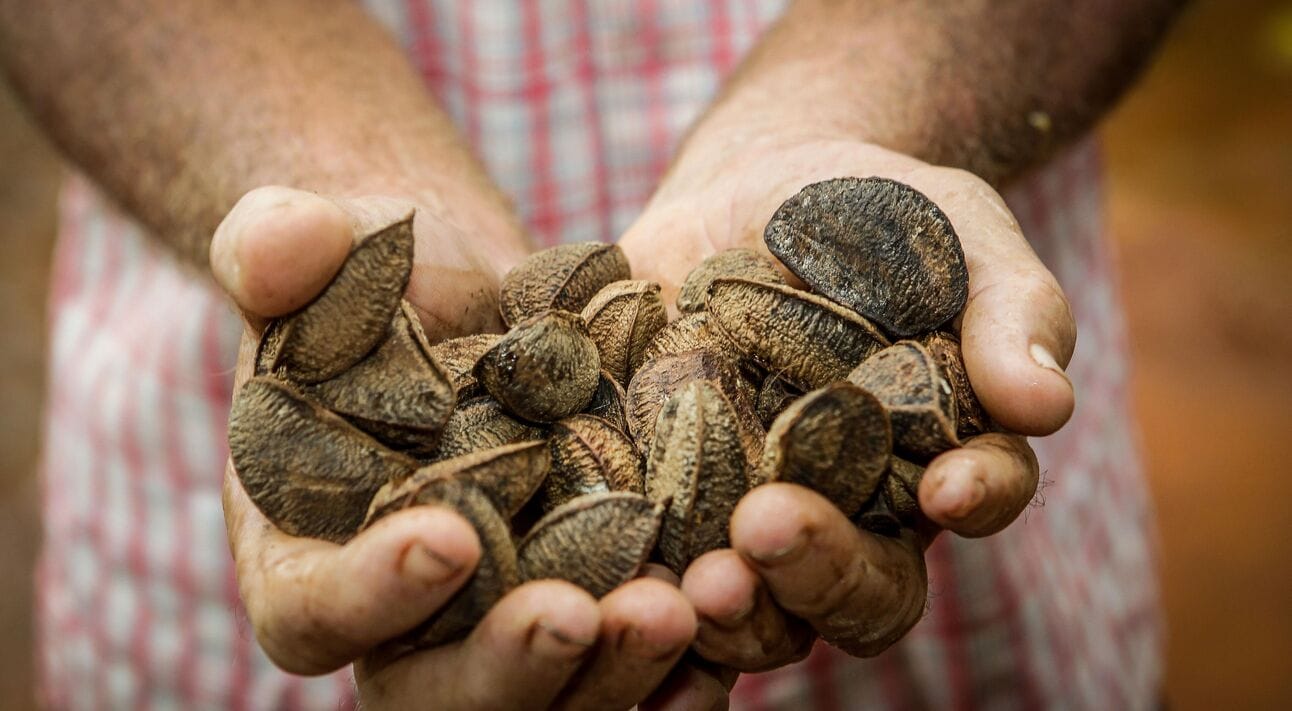
Across the Pan-Amazon region, communities who developed the bioeconomy concept centuries ago and practice it today still have a hard time accessing its benefits.
Developed by Indigenous peoples centuries ago, it was only recently that the bioeconomy’s role in mitigating climate change and protecting biodiversity has gained momentum. Currently valued at $4 trillion globally, the bioeconomy is expected to reach $38.5 trillion by 2050.
In the Pan-Amazon, home to more than 400 Indigenous peoples and the world’s largest river basin — but also to poverty and hunger levels above national averages and escalating violence — the bioeconomy represents a promising solution. “It offers livable alternatives to increasingly prevalent illicit activities and reduces the pressure of threats from loggers, miners and farmers,” Joaquin Carrizosa, strategic adviser to the Secretariat of the Pan-Amazon Network for Bioeconomy, told Mongabay.
In September 2024, it secured a new, high-profile ally: the G20 group of the world’s biggest conventional economies. The G20 Initiative on Bioeconomy (GIB), which lists 10 voluntary high-level principles, is the first multilateral agreement to address the subject, according to the Brazilian government, which held the rotating G20 presidency at the time.
🌏 The Culture Column
📺 What we’re watching: We Are Guardians
📸 Profile of the week: @indigenousclimateaction
📖 What we’re reading: Bioeconomy: Shaping the Transition to a Sustainable, Biobased Economy, by Iris Lewandowski
🤯 Shocking fact we learnt this week: Indigenous peoples comprise less than 5% of the global population but protect 80% of Earth's biodiversity.