- eco-nnect
- Posts
- Satellite pollution is now a thing 🛰️
Satellite pollution is now a thing 🛰️
dam removal project in California sees return of wild salmon after a century

Gaia Solaris
October 20, 2024
As climate catastrophes intensify, lets not lose hope. It feels like the world is reacting to it in two very polar realities: the Elon Musk transhumanist visionaries and the ancestral future -go back to simplicity - community adherents. Perhaps the solution is somewhere in between, or perhaps it’s neither or both. 🤷♀️ We’re here to send you an update of what mainstream media seems to ignore (climate chaos and all) as well as to celebrate the wonderful campaigns that have succeeded around the world—Klamath river is back in California, and we hope it inspires many other countries to have their rivers join the ranks of freedom!
🗞️ In Climate News
🇺🇸 Hurricane death toll tops 300 lives, with a month left in the season
Hurricanes Beryl and Helene have been the deadliest storms of this year's Atlantic hurricane season, causing nearly 300 fatalities across the Caribbean and the United States. In total, 13 storms have been named, including nine hurricanes and four tropical storms, with eight of them resulting in loss of life.
🛢️ New York officials call for big oil to be prosecuted for fueling climate disasters
A 50-page report released by the consumer advocacy group Public Citizen and the progressive prosecutors network Fair and Just Prosecution highlights the devastating impact of climate-related disasters in the US southeast, particularly in the aftermath of Hurricanes Helene and Milton.The document emphasizes that these disasters are fueled by the climate crisis, primarily driven by fossil fuel combustion.
🇺🇸 Satellite images show how Hurricane Milton reshaped parts of Florida coastline
Satellite images illustrate images reveal the extensive damage to coastal communities along the western Florida peninsula, particularly near Siesta Key, where Hurricane Milton made landfall on Wednesday, Oct. 9, as a powerful Category 3 storm. The images show widespread destruction in the area, highlighting the devastating impact of the hurricane.
🇸🇸 South Sudan closes all schools as temperatures are expected to reach 45°C
South Sudan is highly vulnerable to the climate crisis, facing frequent heat waves that rarely exceed 40°C (104°F). Along with ongoing civil conflict, the country struggles with severe droughts and floods, worsening already challenging living conditions for its population.
🇳🇵 Climate change and rapid urbanization key drivers of deadly Nepal floods, analysis shows
Metropolitan centers like Kathmandu and Lalitpur were among the hardest hit. According to WWA, their geographic location, along a valley with few natural drainage points and in proximity of rivers, makes them highly vulnerable to flooding and landslides.
🚀 Pollution from rocket launches and burning satellites could cause the next environmental emergency
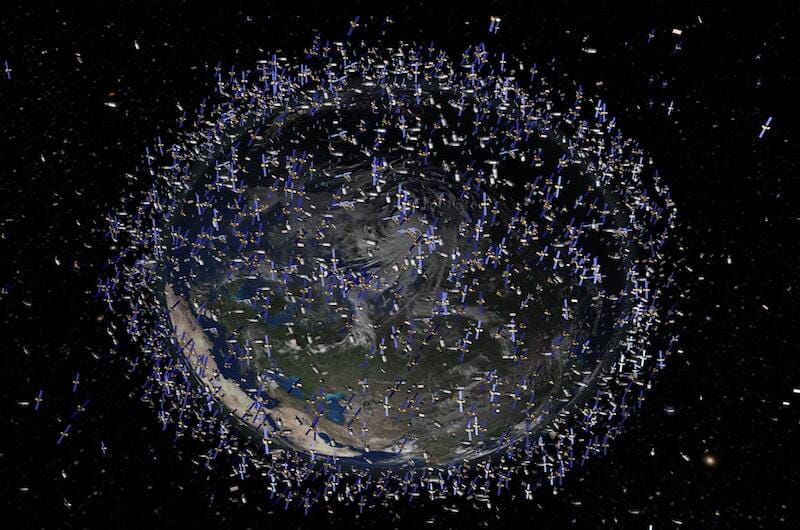
The rapid growth of rocket launches and satellites burning up in Earth's atmosphere could spark the next major environmental crisis. Experts are urgently studying this emerging threat as the space industry continues to expand. In just 15 years, rocket launches have nearly tripled, and the number of satellites orbiting the planet has increased tenfold, raising concerns about their long-term impact on the environment.
🥽 ExxonMobil sued over decades of plastic pollution deception
The lawsuit centers on accusations that ExxonMobil, the world’s largest producer of plastic polymers, has misled the public into believing that recycling is the solution to the plastic waste crisis it has significantly contributed to. Since the 1970s, the company has been aware that mechanical recycling—converting old plastic into new—was ineffective. Despite this knowledge, ExxonMobil has continued to promote “advanced recycling” as a viable solution, although experts argue that it is not.
🏀 Fossil fuel companies have invested £4 billion in sports sponsorships to greenwash their image
Team GB gold-medal winning Olympic rower Imogen Grant criticized the use of sports sponsorships by fossil fuel companies to improve their image despite their environmental harm.
🇷🇺 Russia’s shadow fleet of oil tankers grows despite western sanctions
🇳🇬 Over 2 million displaced, 200 communities submerged as floods ravage Kogi, Nigeria
Severe flooding in Nigeria’s Kogi State has displaced over 2 million people and submerged more than 200 communities as of October 14, 2024.
Fossil fuel extraction in UNESCO sites is projected to increase by over 70% in the coming decades, according to a new report from the German research group Leave it in the Ground Initiative (LINGO).
🇨🇦 Toronto takes steps to ban fossil fuel advertising
Toronto councillors have approved a motion for city staff to report on a potential draft ban on fossil fuel advertising by next year.
📈 Cool Trends
♾️ eco-story
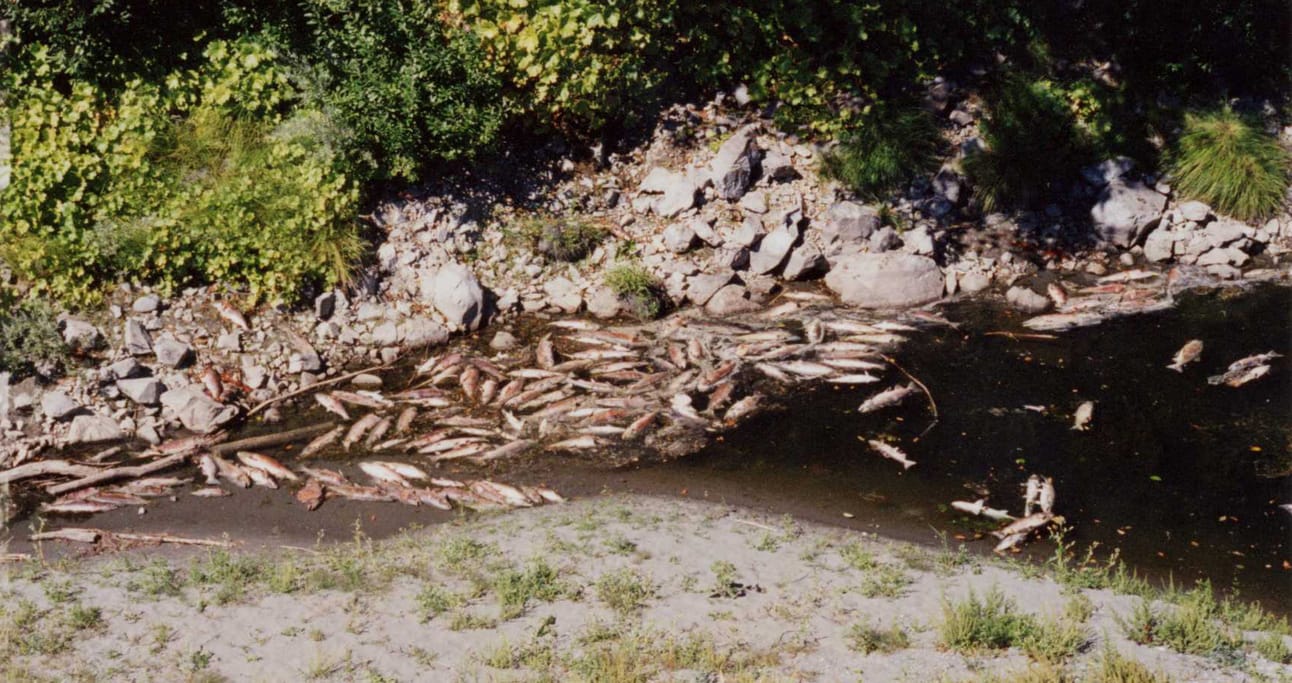
Dead salmon floating in the Klamath River in 2002. An estimated 70,000 salmon died when PacifiCorp withheld water behind the Iron Gate Dam, sending it to farms instead of letting it flow downstream.
“A day after our world renewal ceremony, we saw all these fish lined up on the shores, just rotting in piles,” says Thompson, a Yurok tribal member who is also Karuk and living in present-day Northern California. “This is something that’s never happened in our oral history, since time immemorial.”
During the 2002 fish kill in the Klamath River, an estimated 30,000 to 70,000 salmon died when the U.S. Bureau of Reclamation diverted water to farms instead of letting it flow downstream. This catastrophic event catalyzed a movement to remove four dams that had choked the river for nearly a century.
Now, that decades-long tribal-led movement has finally come to fruition. As of Oct. 5, the four lower Klamath hydroelectric dams have been fully removed from the river, freeing 676 kilometers (420 miles) of the river and its tributaries. This is the largest dam-removal project in history.
“This has been 20-plus years in the making, my entire life, and why I went to university, why I’m doing the degrees I’m doing now,” says Thompson, who is an artist, a restoration engineer for the Yurok Tribe and pursuing a Ph.D. in environmental studies at the University of California, Santa Cruz.
“I feel amazing,” Thompson tells Mongabay at the annual Yurok Salmon Festival in Klamath, California, in late August, just weeks before the river was freed. “I feel like the weight of all that concrete is lifted off my shoulders.”
🌏 The Culture Column
📺 What we’re watching: Undamming a river, rebuilding a forest | WILD HOPE
📸 Profile of the week: @brook_m_thompson
📖 What we’re reading: We are land, a History of Native California by Damon Akins
🤯 Shocking fact we learnt this week: wild salmon return to Klamath river for first time in over a century.